01
What part of my body is out of sync?
Nine possible causes are checked together, then ranked by how strongly each showed up over your three measured nights.
Presented by Human120 · Powered by
Artificial light at night, screens in bed, warm rooms, late meals, alcohol, caffeine, travel and constant stress have pushed the body out of its natural sleep rhythm. Poor sleep is what you feel, but the cause often starts earlier in the day. Sleep Week is the world's first Precision Sleep Design Intensive. It finds what is disrupting your sleep and removes it, one measured night at a time.
4
Days
3
Measured nights
7
Recovery systems
Sleep deeper. Recover faster. Perform better. You leave with measured results, a recovery plan reviewed by a physician, and a Coherence Recovery Kit™.
Not a sleep retreat. This is a sleep design intensive that clears out what disrupts your sleep and rebuilds the conditions for real rest.
Human120
Program design and clinical operations
Johns Hopkins Sleep Medicine
Proposed medical partner
Santa Monica Proper Hotel
Proposed prototype location
A proposed partnership with Johns Hopkins Sleep Medicine and Santa Monica Proper Hotel. No formal approval, endorsement, license or launch is stated or implied.
A new category
Hotel sleep package
Sleep Design™
Duration
One comfortable night
Three instrumented nights
Night one records your baseline. Nights two and three test one change at a time.
Method
Curated amenities
Seven recovery systems tuned in sequence
Light, temperature, sound, air, behavior, food and mind are each changed separately, so we can see what each one does.
Evidence base
Wellness sourcing
Recovery science and how the body works as a system
Protocols and expert review informed by Johns Hopkins Sleep Medicine, with every claim graded and cited.
Screening
No intake
Tested screening tools and a sleep apnea check
Done before arrival. Anything that suggests a disorder gets referred to clinical care.
Surface
Pillow menu
Three mattress surfaces compared on temperature and support
Judged on your own recorded nights, not ten minutes in a showroom.
Attribution
Generic advice
Ranked list of what is disrupting your sleep
Nine factors checked together, then ranked by how strongly each showed up in your own data.
Scope
Body only
The whole body, working as one system
Stress, racing thoughts and mood count as recovery factors, not side issues.
Oversight
App-generated tips
Recovery Intelligence drafts it, a doctor signs off
Every recovery plan is reviewed and signed by a physician before you get it.
Afterwards
Ends at checkout
A personal recovery system and a 90-day plan
Success is measured at home, where good sleep is actually built or lost.
Others sell a better night. Sleep Week designs a body that recovers on its own.
Definition
When your nervous system, body clock, breathing, temperature, metabolism, hormones and recovery systems work together, your body rests deeply.
Sleep improves on its own once your systems work together. It does not come from forcing yourself to sleep longer. The goal is to restore that balance, called Coherence.
01
Nervous system
Autonomic balance
02
Circadian rhythm
Internal clock timing
03
Respiration
Airway and breathing pattern
04
Temperature regulation
Core and surface
05
Metabolism
Fuel and glucose timing
06
Hormones
Cortisol and melatonin phase
07
Recovery mechanisms
Clearance and repair
RESULT
Restorative sleep emerges
Sleep is the clearest sign of recovery, not the goal itself.
The two questions Sleep Design answers
01
Nine possible causes are checked together, then ranked by how strongly each showed up over your three measured nights.
02
Each finding becomes one step in a recovery plan reviewed by a physician, plus a Coherence Recovery Kit matched to what you actually need.
The four-day intensive
Day 1
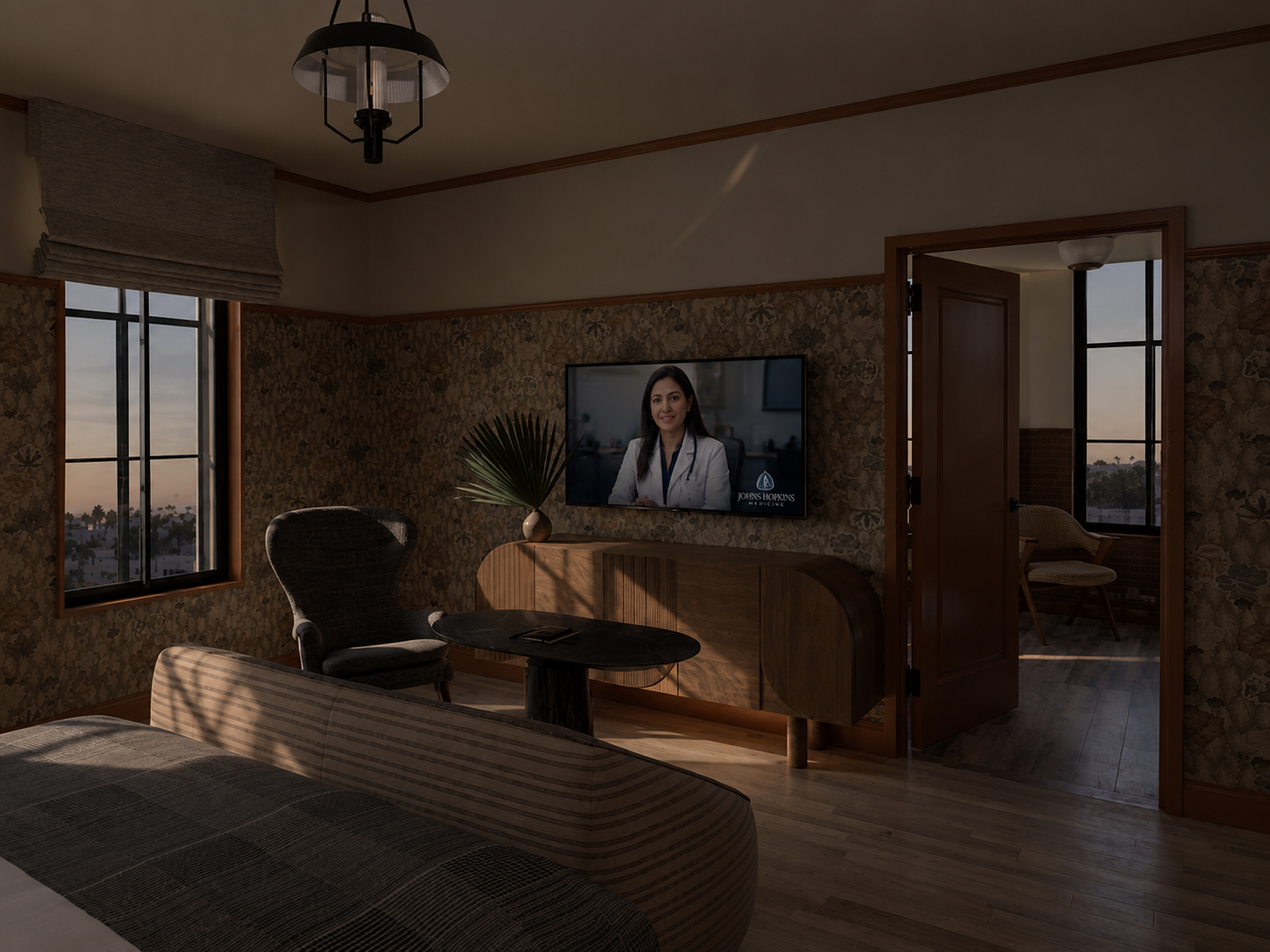
Arrival, intake, physician review, first measured night
Nothing changes on night one. Before we adjust anything, we measure how your body sleeps right now, in a normal room.
Human Coherence Dashboard™
Night 1 is your untouched baseline. Night 2 tests a calibrated room. Night 3 tests your full personal recovery plan.
Night 1
Baseline
72°F · 1180 ppm CO₂ · 38 dB · 6 awakenings
Night 2
Calibrated environment
67°F · 780 ppm CO₂ · 30 dB · 4 awakenings
Night 3
Full protocol
66°F · 690 ppm CO₂ · 29 dB · 2 awakenings
Source: Illustrative Sleep Week sample dataset, 2026, not a medical record
We show gains, setbacks and uncertainty alike. Three nights show a direction, not a diagnosis.
Sample output
Our system ranks the likely causes of poor sleep it saw over your three nights, and says how confident it is. Anything needing a doctor's judgment gets flagged for physician review instead of an automated answer.
Awakenings clustered in the first half of the night at 72°F and fell sharply at 66–67°F.
AI-assisted, clinician reviewed. These are screening clues, not a diagnosis.
What you get
Recovery window
Sleep opportunity 10:45 PM – 6:15 AM; fixed wake time 6:15 AM, including weekends
Best mattress finding
Medium-firm hybrid with active cooling layer (Surface B), fewest awakenings and highest efficiency
Follow-up
90-day tracking with review at day 30 and day 90. Breathing indicators re-checked; formal evaluation if symptoms progress.
Ranked steps
A physician reviews it before it is released.
The Seven Recovery Systems™
Recovery system 1 of 7
Light is the strongest tool for resetting your internal clock.
Observed recovery response
Getting bright light earlier in the day helps you fall asleep earlier that night.
Sample chart showing direction only. Not a predicted result.
01
Resetting your internal clock using the color, brightness and timing of light throughout the day.
02
Lowering your core temperature, plus surface heat, humidity and active cooling, matched to how your body regulates heat.
03
Noise masking, frequency control and sound isolation, checked against what was actually measured overnight.
04
CO₂ buildup, air chemicals, filtration, humidity and air movement, tracked all night.
05
The order of your day, your habits, your wind-down and your morning routine, built into a repeatable plan.
06
When you eat, how stable your blood sugar stays, and the timing of alcohol, water and caffeine before sleep.
07
Unloading stress, quieting racing thoughts, and calming your mind with breathing before bed.
SUM
Tuned together, the seven systems clear out what disrupts sleep, so real rest happens on its own.
Manifesto
Sources of biological noise
Artificial light
Constant stimulation
Travel
Stress
Irregular schedules
Poor air
Poor thermal environments
Information overload
The body was never built for this.
Sleep Design means shaping your environment, habits and body's conditions on purpose, to restore that balance.
When the body's systems work together, recovery improves.
When recovery improves, sleep follows.
Measure
How your systems currently work together
Design
Tune every variable you can control, then check it worked
Restore
Recreate the conditions at home as a lasting routine
Sleep Week screens for possible concerns and designs conditions for recovery. It does not replace a full diagnostic sleep study or ongoing medical care.
Human Recovery Intelligence™
Not an assistant. Not a chatbot. This tool reads temperature, light, behavior, food, stress, breathing, heart rate, movement, your surroundings, body clock and sleep stages as one system, and passes every medical conclusion to a physician.
This also fits where consumer health is heading. OpenAI launched Health in ChatGPT on July 23, 2026, letting U.S. users connect Apple Health and medical records so sleep, activity and lab data show up in one place. Sleep Week is built so your recovery plan and data can move into a system like that, with the same rule: a clinician reviews every medical conclusion.
Read the OpenAI announcementAutonomic and physiological
10 signals
Environmental
9 signals
Behavioral and nutritional
9 signals
Clinical and cognitive
5 signals
Clinical foundation
Reference capabilities
Sleep Week screens and designs. It does not diagnose you, replace a diagnostic sleep study, or replace ongoing medical care.
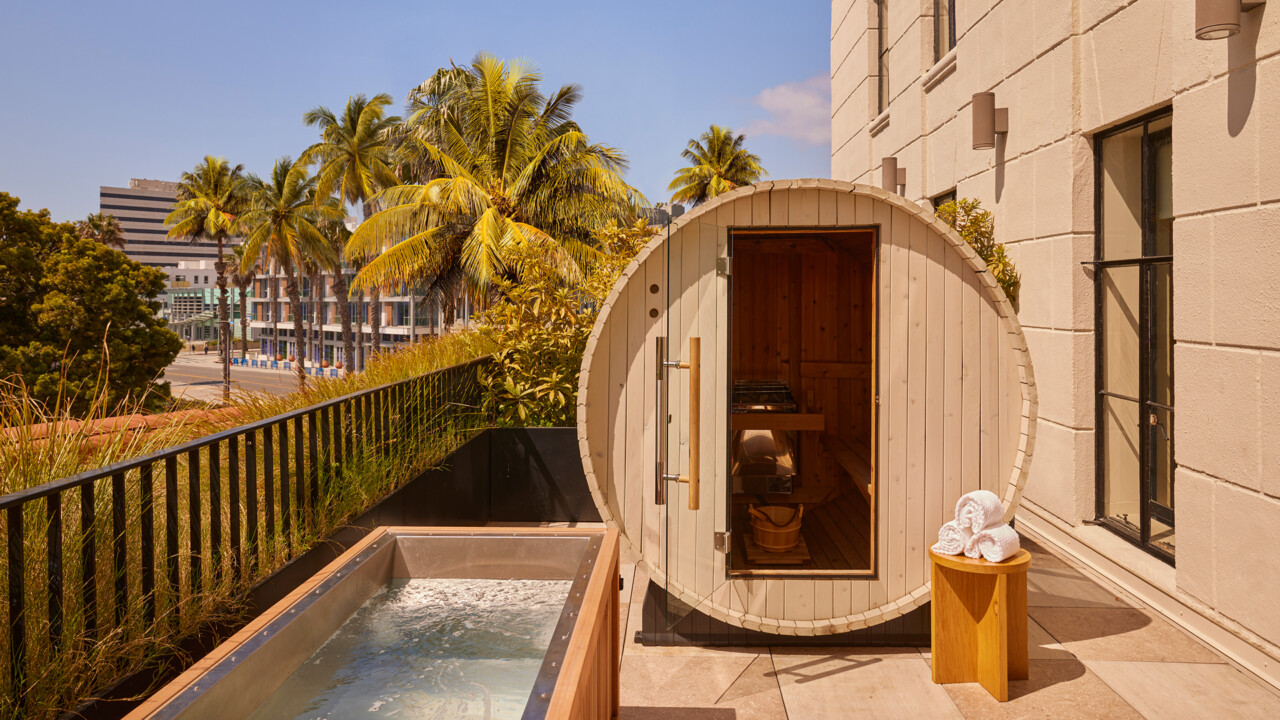
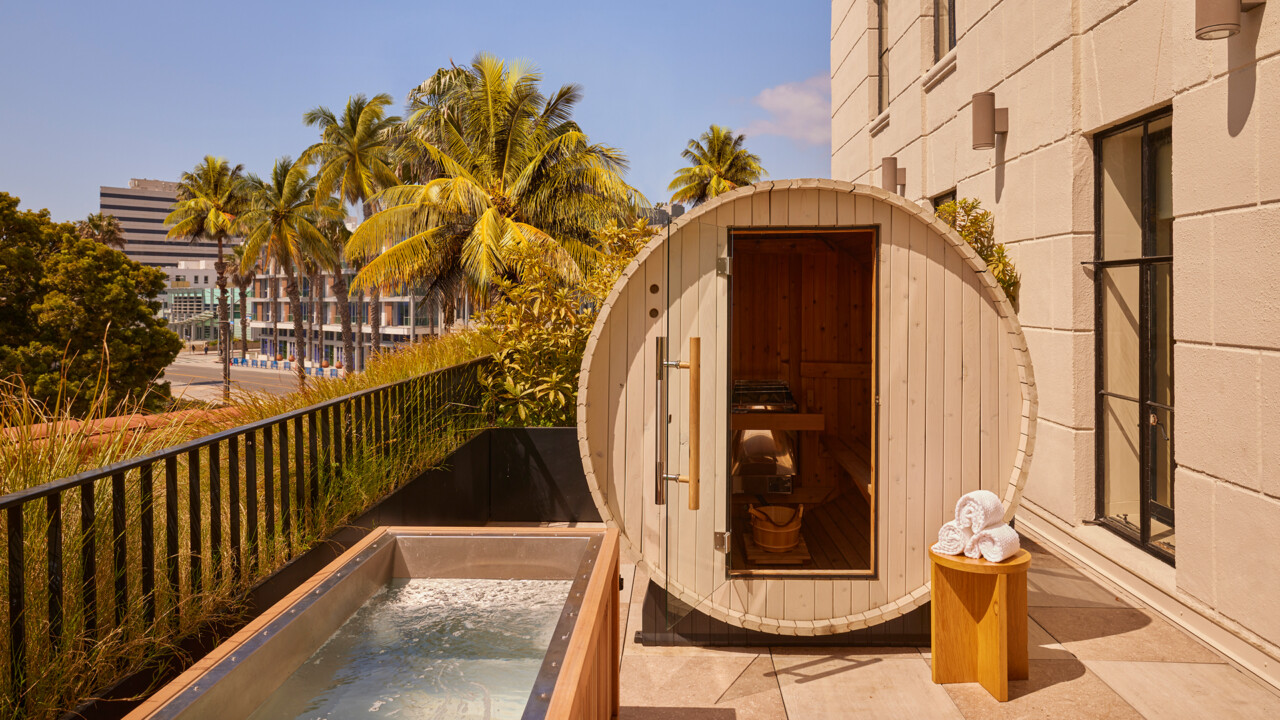
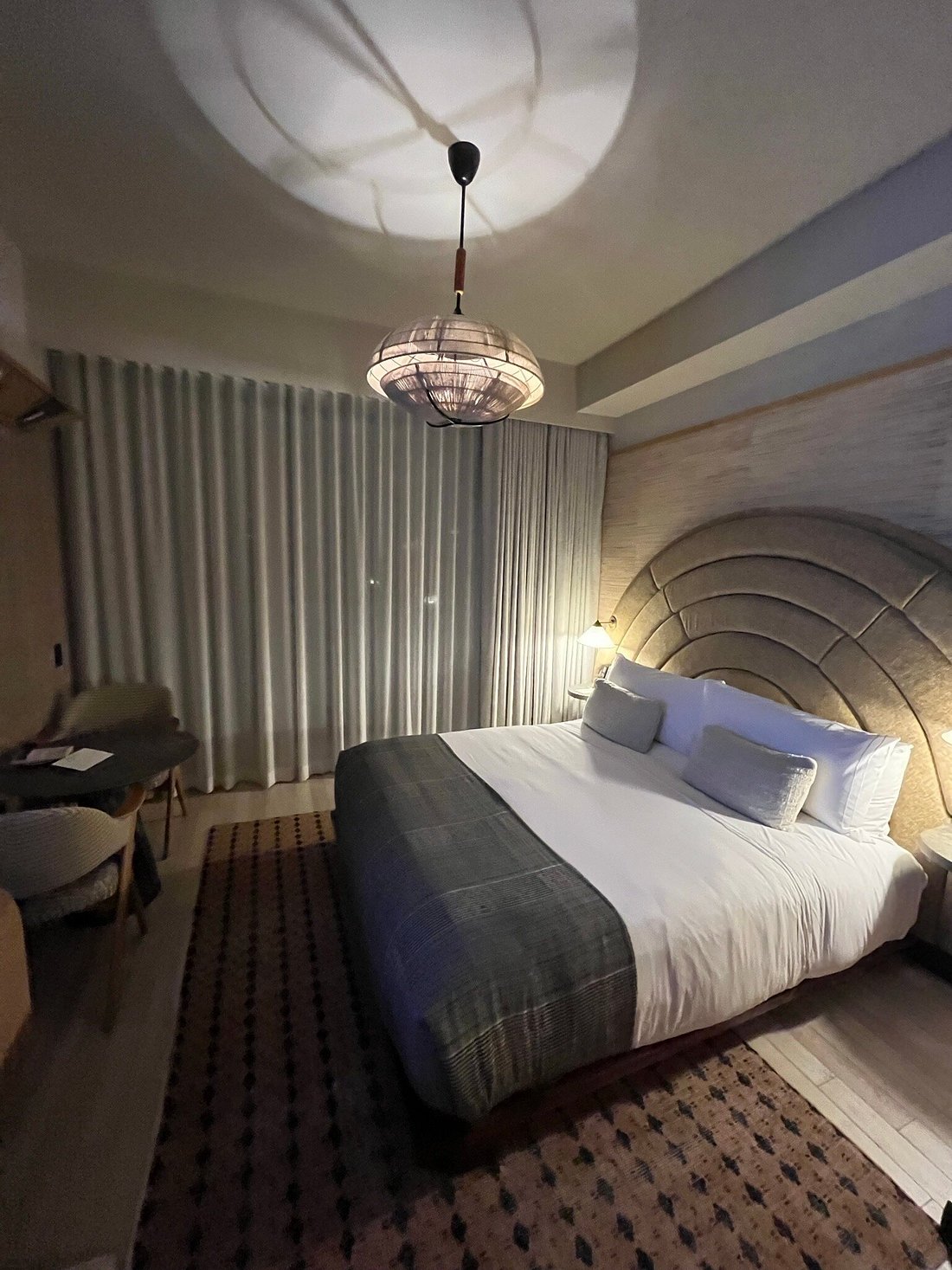
Santa Monica Proper Hotel · 700 Wilshire Boulevard
262
Rooms & suites
1920s
Landmark building
3 min
To the shoreline
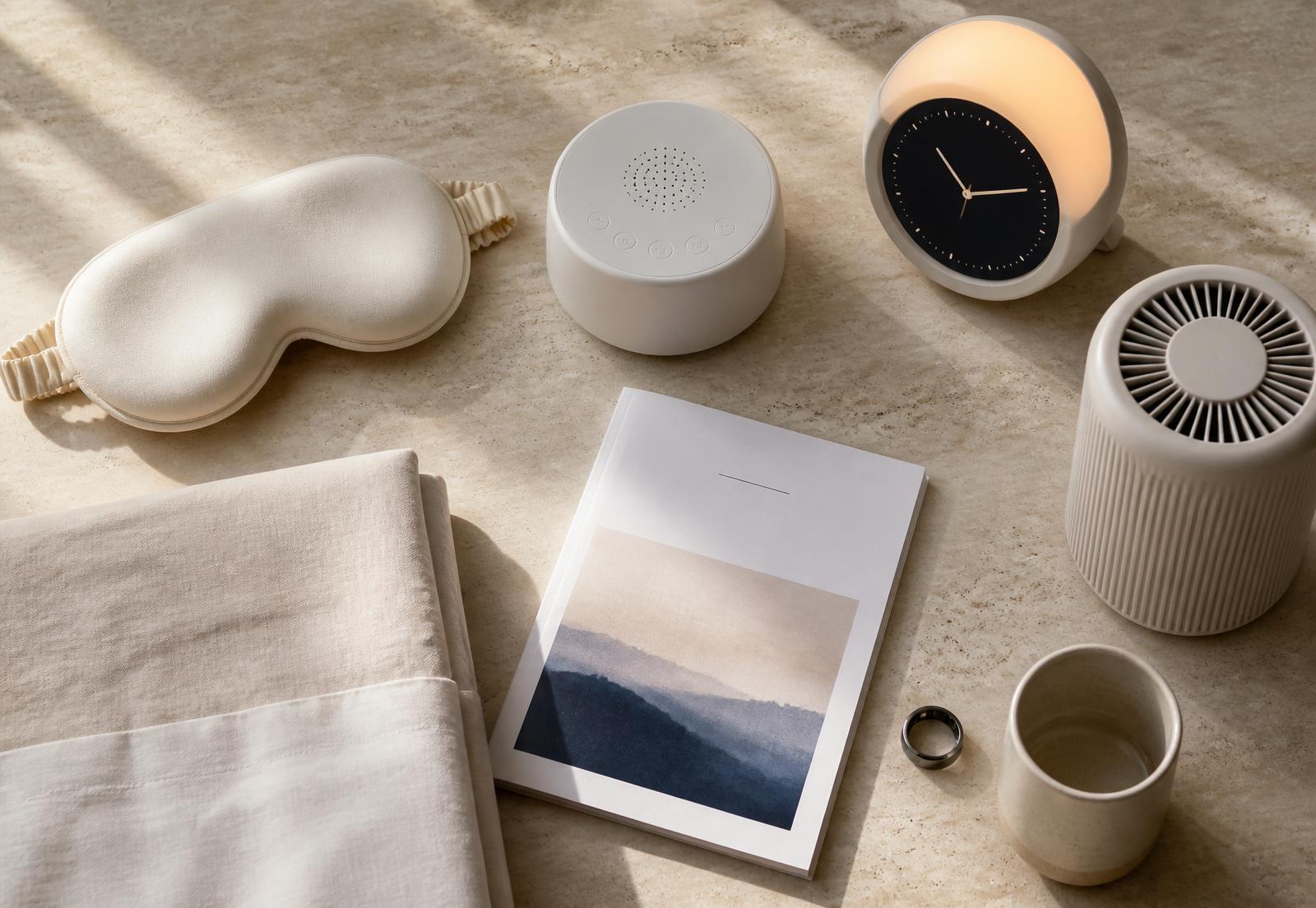
The Coherence Recovery Kit™
The scale of biological noise
30.5%
of U.S. adults averaged fewer than seven hours of sleep
CDC NHIS, 2024
15.4%
of U.S. adults had trouble falling asleep most days or every day
CDC NHIS, 2024
18.1%
of U.S. adults had trouble staying asleep most days or every day
CDC NHIS, 2024
12.9%
of U.S. adults used a sleep aid most days or every day
CDC NHIS, 2024
Daytime recovery research
Short nap
20 min
Alertness, almost no grogginess
The avoid band
30–60
Deep sleep begins, inertia peaks
Cycle nap
90 min
Full cycle: learning, emotion, motor skill
Timing rule
8 hrs
Minimum buffer before target bedtime
The right nap plan differs person to person. For chronic insomnia, standard treatment usually cuts naps rather than adding them.
Personal instrumentation
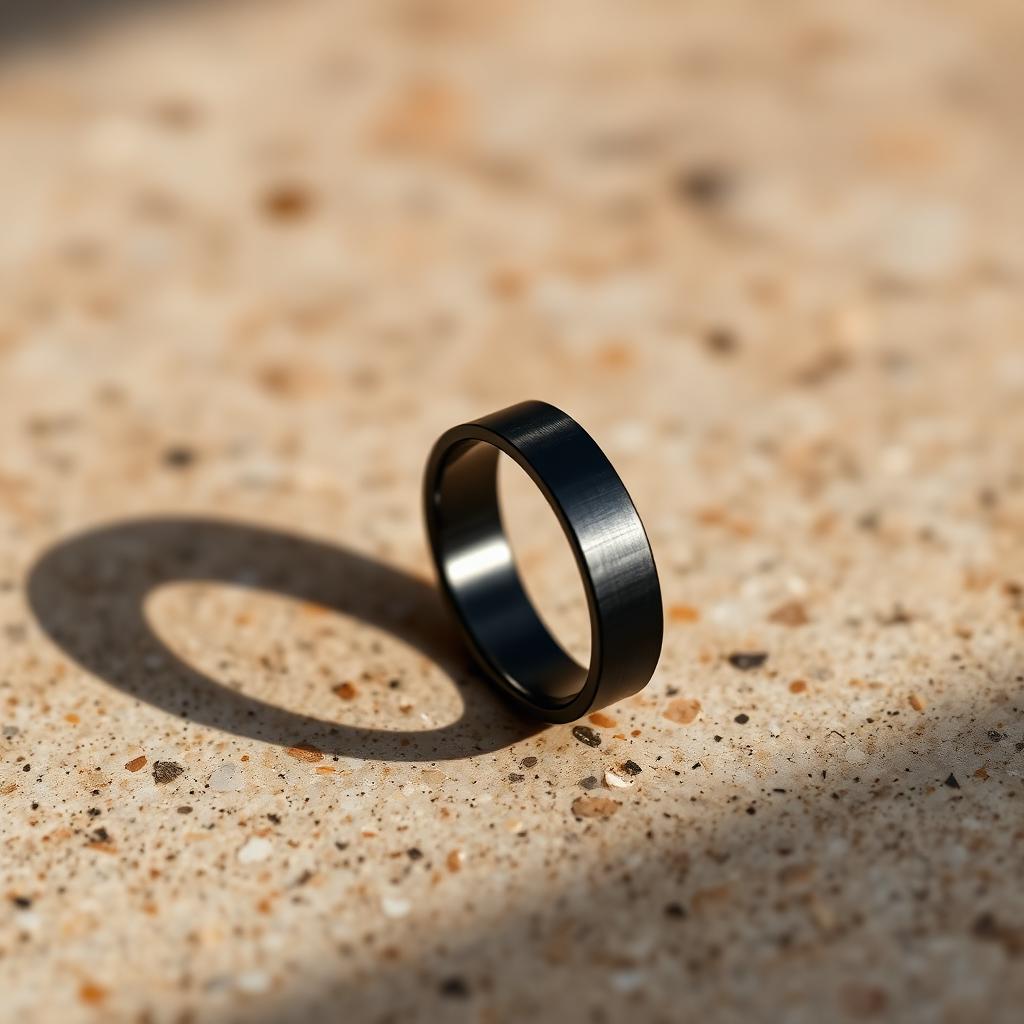
Overnight physiology
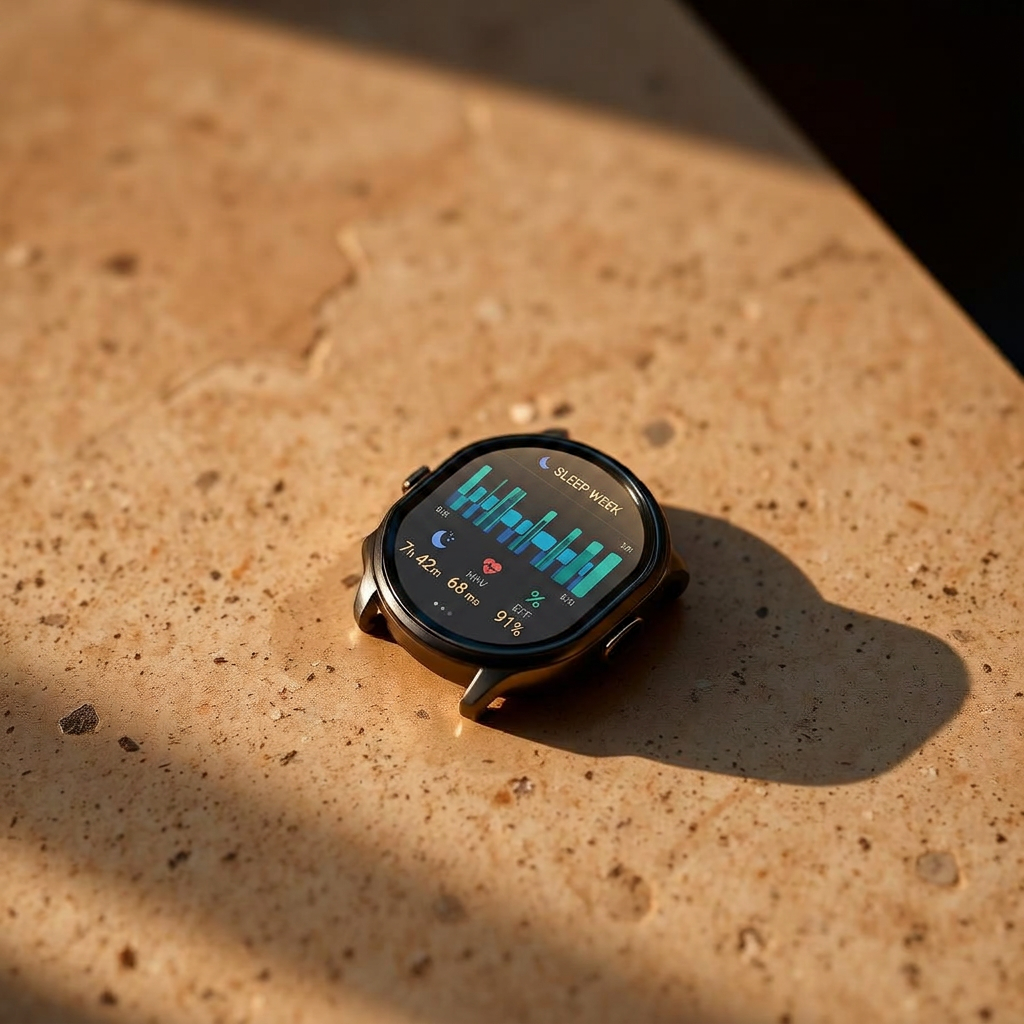
Daytime load and timing
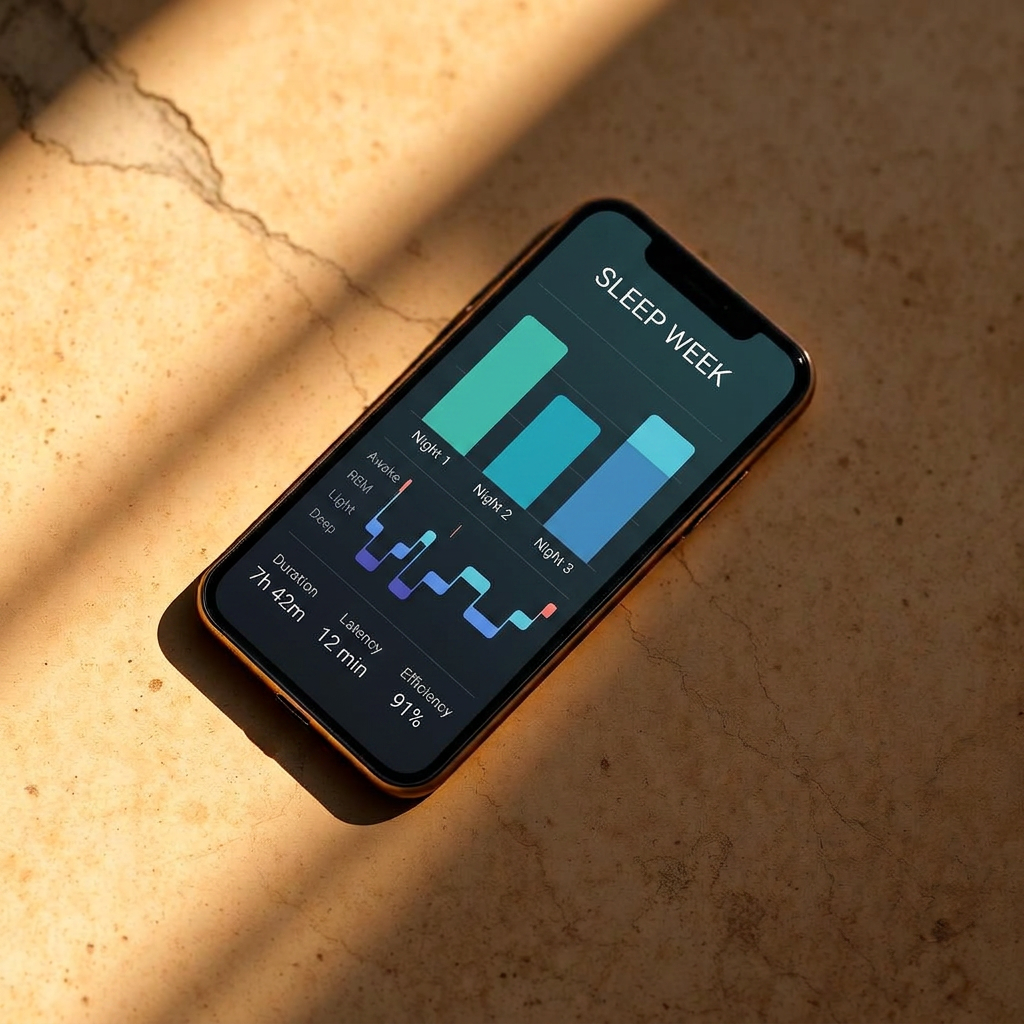
Behavior and environment
Who the intensive is designed for
Who may need a different level of care
If you are experiencing a medical emergency, call 911. In the U.S., call or text 988 for the Suicide & Crisis Lifeline.
A mattress, a supplement, a colder room. Changing one thing at a time never shows you what is actually disrupting your sleep.
Recover more fully. Restore balance. Design conditions you can repeat every night.
Medical, partnership and privacy disclosures
Screens and designs. Does not diagnose or replace medical care.
A proposed partnership. No approval or endorsement implied.
Health data is stored separately from analytics. See the privacy notice, medical disclaimer and accessibility statement.
Sleep Week screens for possible concerns and designs conditions that support recovery. It does not diagnose sleep disorders, replace a full diagnostic sleep study, or replace ongoing medical care. Findings are reviewed by a physician. Sleep Week is a proposed partnership with Johns Hopkins Sleep Medicine and Santa Monica Proper Hotel; nothing here states or implies formal approval, endorsement, licensing or launch by either organization. Health information you submit is stored separately from marketing analytics.